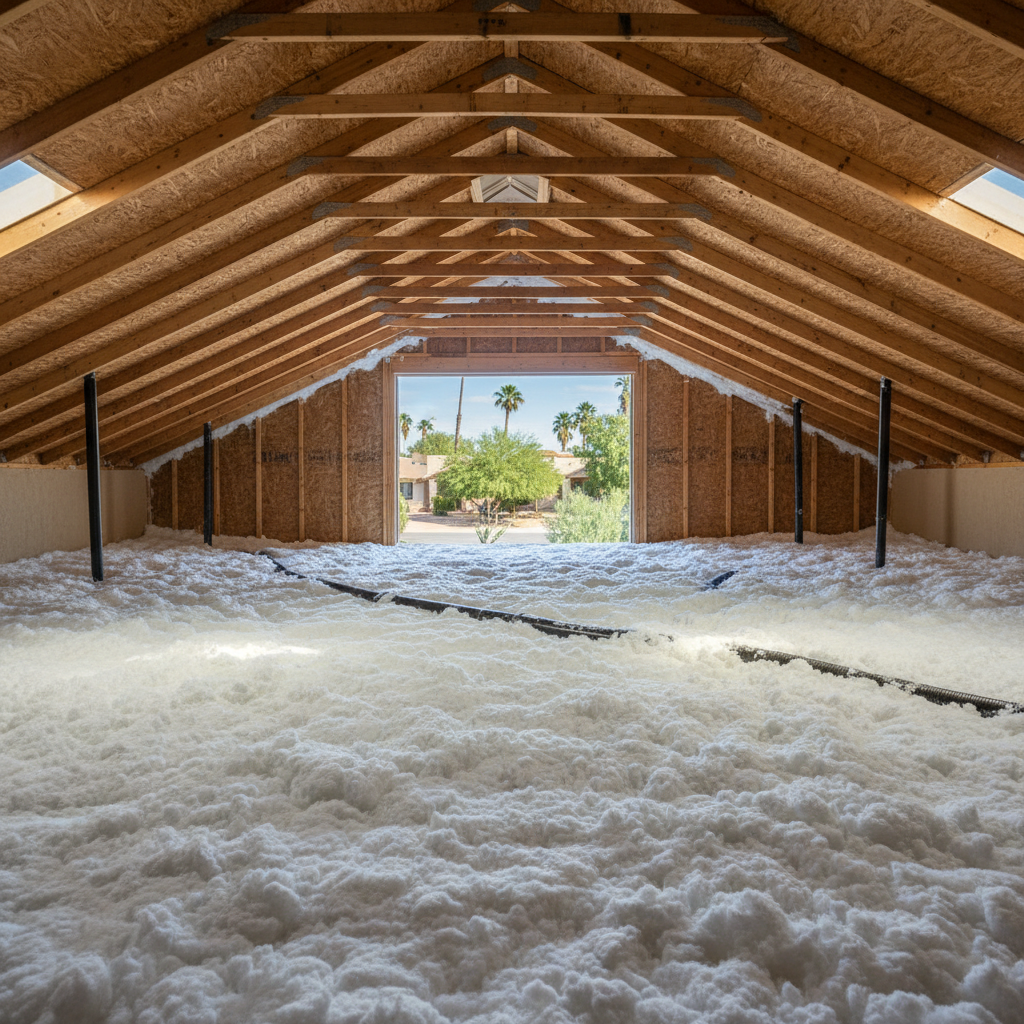
So, you're thinking about upgrading your home's insulation here in Chandler. Smart move. With our summers hitting 115 degrees regularly, good insulation isn't just a comfort thing; it's a necessity for your wallet and your sanity. But finding the right contractor? That can feel like a whole job in itself. I've been doing this for years, and I've seen it all – the good, the bad, and the downright ugly. Let me tell you straight what you need to look for.
What to Ask Potential Contractors
When you've got someone in your house, don't be shy. You're about to spend a good chunk of change, so ask away. Here are the questions I'd hit them with:
- Are you licensed and insured for insulation work in Arizona? This is non-negotiable. They should have an Arizona Registrar of Contractors (ROC) license, specifically for insulation or a general contractor license that covers it. And they absolutely need liability insurance and workers' comp. If they can't show you proof, send 'em packing.
- How long have you been in business in Chandler or the surrounding area? Experience matters, especially with our unique climate. Someone who's been around knows the local building codes, how our extreme heat affects different materials, and maybe even the quirks of homes in older neighborhoods like Sun Lakes or Dobson Ranch.
- What specific insulation materials do you recommend for my home, and why? They shouldn't just push one product. A good contractor will assess your situation – attic, walls, crawl space – and explain the pros and cons of spray foam, fiberglass, cellulose, etc., for your specific needs. They should talk about R-value, air sealing, and ventilation.
- Can you provide references from recent jobs? A reputable company will be happy to give you a few names and numbers. Call them. Ask if the job was completed on time, if the crew was professional, and if they're happy with the results.
- What's your warranty on materials and labor? Insulation should last a long time. Understand what's covered and for how long.
- How do you protect my home during the installation? Insulation can be messy. You want to know they'll lay down drop cloths, seal off areas, and clean up thoroughly afterward.
Decoding the Quote: What to Look For
You'll probably get a few quotes, and they might look totally different. Here's how to compare them fairly:
- Detailed Breakdown: A good quote isn't just a single number. It should clearly list the type of insulation, the R-value, the square footage or depth of coverage, and whether it includes air sealing. If it's spray foam, it should specify open-cell or closed-cell and the thickness.
- Scope of Work: Does it include prep work like removing old insulation? What about sealing air leaks around recessed lights, plumbing stacks, or attic hatches? This is crucial for performance and often overlooked in cheaper bids.
- Permits: For some larger jobs, especially if you're doing a big renovation or adding new construction, a permit might be required. A legitimate contractor will handle this. Make sure it's mentioned.
- Total Cost, No Surprises: The quote should be the final price, unless unforeseen issues arise (which should be communicated immediately, not sprung on you at the end).
Red Flags You Can't Ignore
Listen to your gut. If something feels off, it probably is. Here are some big red flags:
- High-Pressure Sales Tactics: "Sign today for a special discount!" "This price is only good for the next hour!" Run. A good contractor doesn't need to strong-arm you.
- Cash Only Deals: This is a huge no-no. It screams 'unlicensed' or 'avoiding taxes.' You'll have no paper trail and no recourse if things go wrong.
- No Written Contract: If they just want to shake on it, walk away. Every detail should be in writing.
- Unsolicited Door-to-Door Offers: While some legitimate businesses do this, be extra cautious. Many scams start this way, especially after a storm.
- Extremely Low Bids: If one quote is significantly lower than all the others, there's usually a reason. They might be cutting corners on materials, labor, or not including critical steps like air sealing. You get what you pay for, especially with insulation.
- No Local Presence: If they don't have a local address or phone number, or their vehicles are unmarked, that's a concern. You want someone who's part of the community.
Verifying Legitimacy
Before you commit, do your homework. It takes five minutes and can save you thousands of dollars and a lot of headaches.
- Check the Arizona Registrar of Contractors (ROC): Go to roc.az.gov. You can search by contractor name or license number. Make sure their license is active, for the right classification, and check their complaint history. This is your absolute first stop.
- Look for Reviews: Check Google, Yelp, and other online review sites. Don't just look at the star rating; read the actual comments. See how they respond to negative feedback.
- Better Business Bureau (BBB): Check their rating and any complaints there.
- Ask for Proof of Insurance: Don't just take their word for it. Ask for a certificate of insurance directly from their insurance provider. This ensures you're protected if someone gets hurt on your property or if there's damage.
Choosing an insulation contractor isn't something to rush. Take your time, ask the right questions, and don't be afraid to say no if something doesn't feel right. Here at Chandler Spray Foam Insulation, we believe in transparency and doing the job right the first time. Your home deserves it, and your AC unit will thank you.