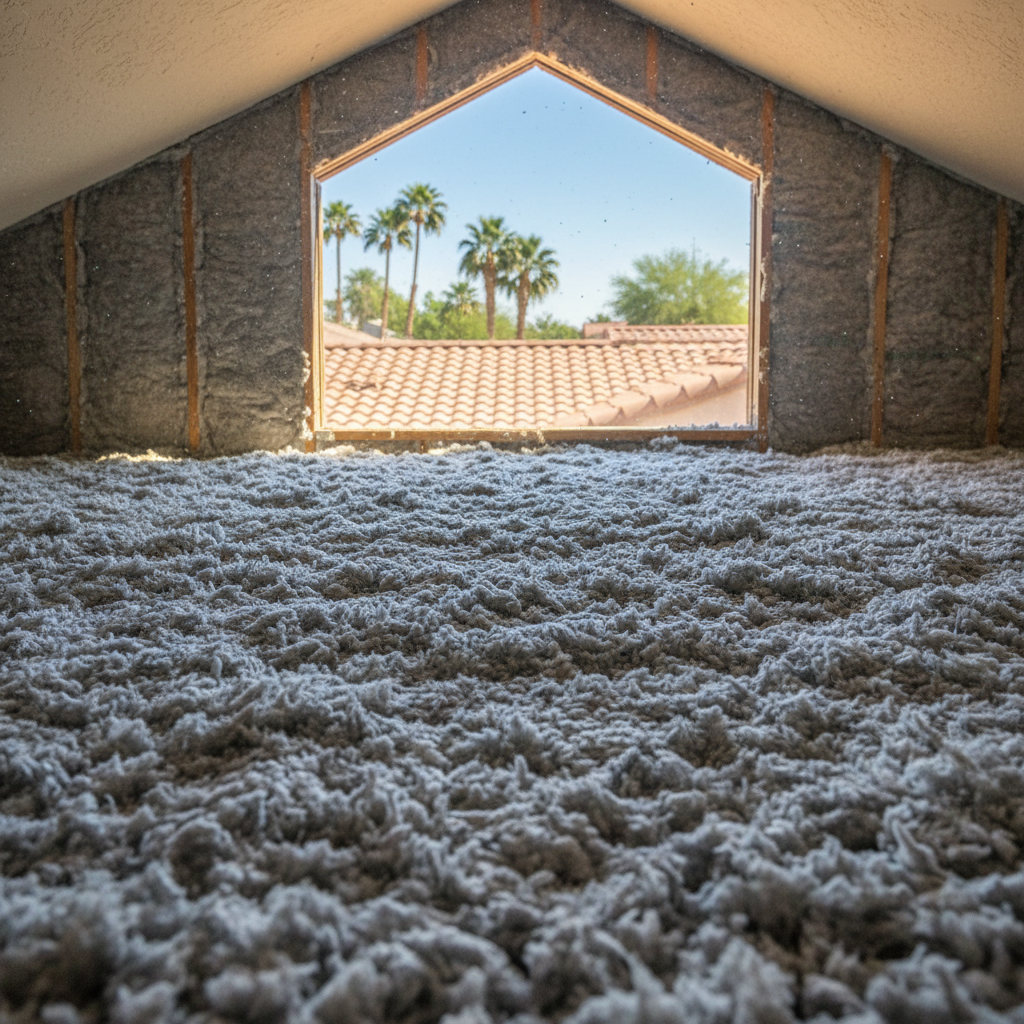
Alright, let's talk attic insulation. You've probably seen a bunch of articles out there comparing batt to blown-in or spray foam, and that's all good info. But what about the stuff that comes up once you've started thinking about the project, or even after it's done? I get a lot of specific questions from folks here in Chandler, and I wanted to tackle some of the most common ones that don't always get a straight answer.
Do I really need to remove old insulation before adding new?
This is a big one, and the answer is… it depends. Most of the time, no, you don't *have* to remove old insulation. If it's dry, not moldy, and hasn't been chewed up by pests, you can often just add new insulation right on top. This is especially true if you're just topping off existing blown-in fiberglass or cellulose. It's a cost-effective way to boost your R-value.
However, there are definitely times when removal is non-negotiable. If you've got a rodent problem, water damage, mold, or your existing insulation is just completely flattened and degraded, get it out of there. You don't want to trap moisture, mold spores, or pest droppings under new material. It's an extra cost, sure, but it's an investment in healthy indoor air quality and a properly functioning insulation system.
How much R-value do I actually need for my Chandler home?
The Department of Energy recommends R-38 to R-60 for our climate zone (Zone 2). Now, what does that mean for you? Most older homes in Chandler, especially those built in the 80s or 90s in neighborhoods like Sun Lakes or Ocotillo, might only have R-19 or R-30. You'll definitely feel a difference bumping that up.
For a typical attic here, I usually recommend aiming for at least R-49, and R-60 is even better if your budget allows. With our brutal summers, every bit of R-value helps keep that AC from running non-stop. It's not just about comfort; it's about your utility bills. Think of it as putting a thicker blanket on your house to keep the heat out.
Will new insulation really make my house cooler in summer?
Absolutely. And I'm not just saying that because I'm in the insulation business. Your attic is like a giant oven in the summer. Temperatures up there can hit 150-160 degrees Fahrenheit easily. Without adequate insulation, that heat radiates right down into your living space, making your AC work overtime and struggle to keep up.
Good insulation acts as a barrier, slowing down that heat transfer. It won't turn your attic into a refrigerator, but it will significantly reduce the amount of heat seeping into your home. You'll notice your AC cycles less frequently, your house stays more consistently cool, and those hot spots near the ceiling become a lot less noticeable. It's one of the most effective ways to improve summer comfort and cut down on energy costs here in Arizona.
What about ventilation? Does that matter with new insulation?
Yes, ventilation is crucial, and it works hand-in-hand with your insulation. Insulation slows down heat transfer, but ventilation helps remove that superheated air from your attic space altogether. Think of it this way: insulation is your defense, and ventilation is your offense.
Proper attic ventilation, usually through a combination of soffit vents (intake) and ridge or static vents (exhaust), allows hot air to escape and draws in cooler outside air. This helps keep the attic temperature lower, which in turn makes your insulation more effective. Without good ventilation, even the best insulation can struggle because the air above it is just too hot. It's especially important here in Chandler where we get sustained high temperatures for months on end.
Can insulation help with dust or allergies?
It can, indirectly. While insulation's primary job is thermal performance, a well-sealed and insulated attic contributes to a tighter building envelope. This means less outside air, and with it, less dust, pollen, and other allergens, infiltrating your home through cracks and gaps in the attic floor or ceiling.
If you're upgrading to spray foam, for example, it acts as both an air barrier and an insulation layer, which is fantastic for reducing air leakage. Even with blown-in or batt insulation, if the attic is properly air-sealed before installation, you'll see a noticeable reduction in drafts and airborne particulates entering your living space. So, while it's not a direct air filter, it definitely helps create a cleaner, healthier indoor environment.
How long does attic insulation last?
That's a fair question. The lifespan really depends on the type of insulation and how well it's maintained. Fiberglass batt and blown-in insulation can last for decades, often 50-100 years, if it stays dry, undisturbed, and free from pests. The material itself doesn't typically degrade much over time.
The issues usually come from external factors: water leaks, pest infestations, or being compressed and flattened over the years by foot traffic or storage. When it gets wet, it loses its R-value and can become a breeding ground for mold. Pests can tunnel through it, creating pathways for air and reducing its effectiveness. Spray foam, once cured, is incredibly durable and can last the lifetime of the house, often 80 years or more, because it's rigid and doesn't settle or absorb water in the same way.
Regular attic inspections every few years, especially after heavy monsoon rains or if you notice unexplained high energy bills, can help catch any issues early and extend the life of your insulation. It's all about protecting your investment.